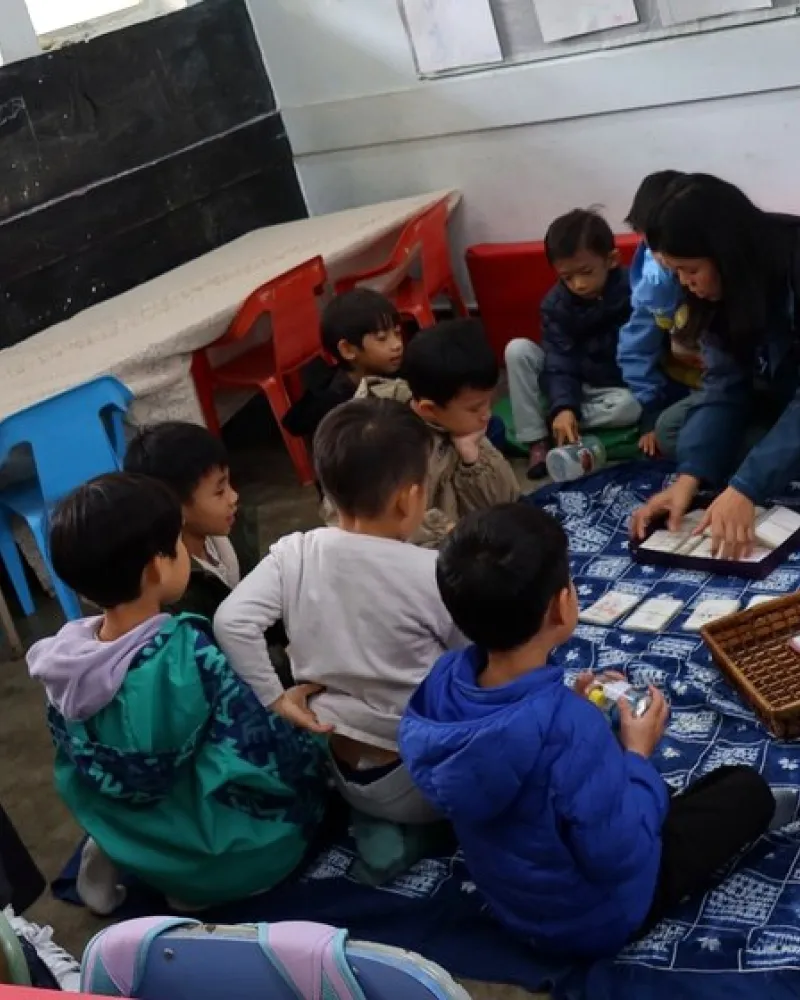





The Master of Arts in Child and Family Education is a taught postgraduate programme for practitioners and graduates who wish to deepen their understanding of how young children develop within the family, and of the ways in which schools, kindergartens and community services can work alongside parents to support that development. It suits kindergarten and primary teachers, social workers, family service practitioners, and graduates of related disciplines who intend to specialise in child and family education, whether in a teaching, counselling, administrative or policy role.
Structure and Duration
The programme is offered on a part-time basis over two years, with a full-time mode of one year available to students who are able to commit to daytime study. Part-time classes are held in the evenings and on Saturdays to accommodate serving teachers and practitioners. The programme carries a total of 24 credit points, made up of core courses, elective courses and a capstone project or dissertation. Most students take two to three courses per term, attending seminars and workshops rather than large lectures.
What You Will Study
- Child development and learning in family and community contexts
- Family-school partnership and parent education
- Early childhood curriculum and pedagogy
- Special educational needs and inclusive practice in early years
- Family diversity, wellbeing and support services
- Research methods for child and family education
- A capstone project or dissertation on a topic of the student's choice
Entry Requirements
- A recognised bachelor's degree, or an equivalent qualification accepted by the University
- Relevant experience in early childhood education, family service or a related field is an advantage but not required for all applicants
- A satisfactory standard of English, as specified in the general admission requirements of the University
- Applicants whose first degree is in an unrelated discipline may be asked to attend an interview
Career Prospects
Graduates typically continue or advance their careers as kindergarten and primary teachers, early childhood centre leaders, family service and social work practitioners, curriculum developers, or education officers in government and non-governmental organisations. The qualification is also a common step for practitioners who wish to move into supervisory, training or policy-related positions within the child and family sector.
Remarks: Programme details, including course content, mode of delivery and intake arrangements, are subject to approval by the University's academic bodies and may be revised from time to time. The University reserves the right to amend, suspend or discontinue the programme.